Hoshiarpur/Daljeet Ajnoha /June 7 :
— Known locally as Prithudak Tirth or Prathudak Teerth, the historic town of Pihowa draws devotees from across India and abroad who believe that performing rituals here helps restless spirits and deceased ancestors attain liberation. Priests at the shrine — including Pandit Deepak Kumar Purohit and the custodial priest Pandit Gangaram — say daily offerings, tarpan (water-offerings), charity and other religious rites are performed for the peace of departed souls.
According to local tradition, Pihowa is the very site where King Prithu once ruled. Scriptures and oral histories also link the tirth to epic events: Lord Rama is believed to have performed pind-daan (offerings for the dead) here for his father, Maharaja Dasharath. Later, Lord Krishna is said to have brought the Pandavas to Pihowa; acting on Krishna’s guidance, the Pandavas performed rites on this sacred ground for the salvation of the Kauravas.
Devotees maintain that those who die unnaturally or without proper rites can be freed from restless states if their relatives conduct ceremonies at Pihowa. As a result, people arrive here every day from across the nation and overseas to perform puja, tarpan and other ancestral rites, seeking peace and moksha for their forebears.
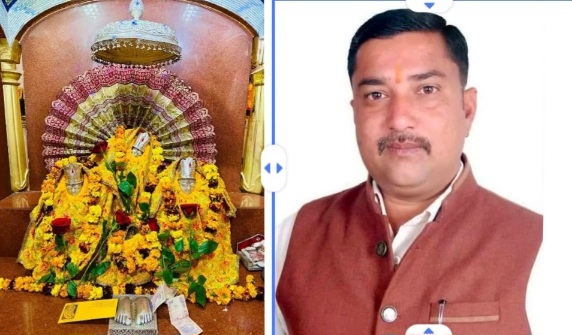
The shrine complex also hosts a temple dedicated to Kartikeya (Kartik Maharaj), the elder son of Lord Shiva, who is regarded as a witness to the rites performed at Pihowa. Devotees perform an oil abhishek (anointment) to Kartik Maharaj at the temple. Local customs restrict entry of women into the Kartikeya sanctum, a practice observed by the custodians.
Local priests and caretakers said the tirth’s continuing appeal rests on its deep roots in regional religious lore and the strongly held belief that proper ritual observance here brings solace and spiritual release to departed souls.
Ancient Pihowa Sacred Ghats Where
 Jun 08, 2026

